
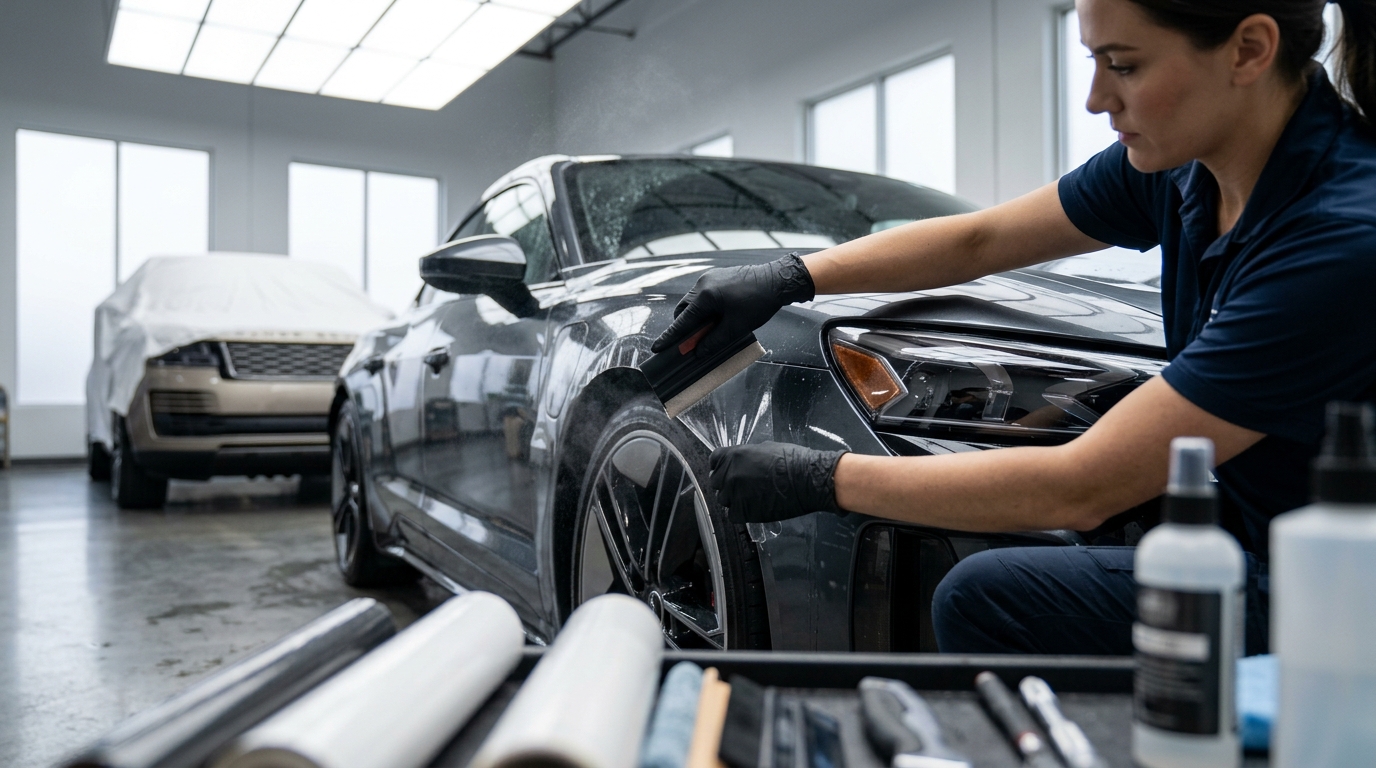
Essential Qualifications and Certifications for Professional Paint Protection Film Installers
Paint Protection Film (PPF) has evolved from a niche automotive luxury into a standard requirement for high-value vehicle preservation. According to the Automotive Aftermarket Industry Association, the global PPF market is projected to grow significantly through 2030, driven by consumer demand for vehicle longevity. This surge in demand has raised the bar for installer competence. A professional installer must possess more than just steady hands; they require a blend of technical precision, material science knowledge, and certified expertise to deliver flawless results. (Car Wrap Cost Utah)
Core Technical Skills and Precision
The foundation of professional PPF installation lies in meticulous technical execution. Unlike standard vinyl wraps, PPF requires a deeper understanding of automotive geometry and adhesive behavior. Installers must master the art of panel removal and reinstallation without damaging clips, trim, or paint. This skill is critical for achieving a "invisible" edge that blends seamlessly with the vehicle's body lines. (Car Wraps Utah Vehicle)
Paint Protection Film is a thermoplastic urethane material designed to absorb impact from road debris. Understanding the molecular structure of this material allows installers to manipulate it correctly during application. Heat gun usage must be precise; too much heat can cause the film to shrink prematurely or leave adhesive residue, while too little heat prevents proper conformability around complex curves. (Fleet Wraps Utah Commercial)
Another critical skill is edge management. Professional installers know how to tuck edges behind trim or use specific sealing techniques to prevent water intrusion and lifting. This attention to detail ensures the longevity of the installation and maintains the aesthetic integrity of the vehicle. At Summit Wraps & Graphics, we prioritize these technical nuances to ensure every vehicle leaves our Lehi shop with factory-finish protection.
Industry Certifications and Training
While experience is valuable, formal certification provides a standardized benchmark for quality. The most recognized credentials in the industry come from major film manufacturers who offer rigorous training programs. These certifications validate that an installer has met specific performance standards set by the industry leaders.
3M Certified Installers
3M is a global leader in automotive films. Their certification process involves hands-on training modules that test an installer's ability to handle various vehicle types, from compact sedans to large SUVs. Certified 3M installers demonstrate proficiency in their specific product line, ensuring optimal performance and warranty validity.
Avery Dennison SWF Certification
Avery Dennison's SmartWatch Film (SWF) program is another gold standard. This certification focuses on the latest in self-healing technology and optical clarity. Installers who hold this credential are trained in the most advanced application techniques, including the use of specialized slip solutions and squeegee methods that minimize the risk of bubbles or creases.
XPEL Master Installers
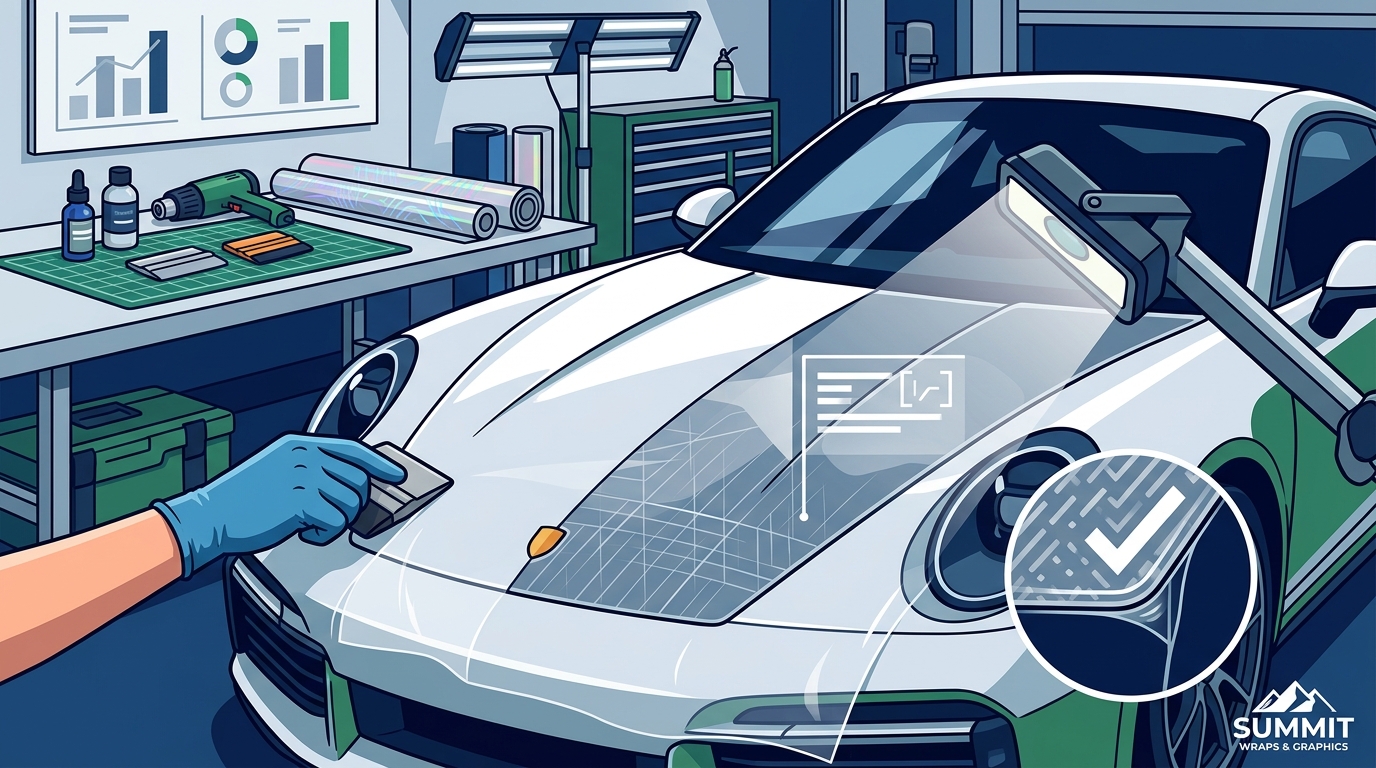
XPEL offers a tiered certification system, with "Master" status representing the highest level of expertise. This designation requires installers to complete advanced workshops and pass practical exams. Master installers are often tasked with training others and handling the most complex, high-profile projects. Choosing a certified installer ensures that your vehicle is treated by someone who has proven their competence to the industry's top manufacturers.
Essential Tools and Workspace Requirements
A professional PPF installation is not just about the installer's skill; it is equally dependent on the environment and tools used. A subpar workspace can compromise the final result, regardless of the installer's talent. The following elements are non-negotiable for a professional setup.
Climate-Controlled Environment
Temperature and humidity control are vital. PPF adhesive reacts to environmental conditions. If the shop is too cold, the film becomes stiff and difficult to stretch. If it is too humid, moisture can get trapped under the film, leading to clouding or bubbling. Professional shops maintain a consistent temperature, typically between 65 and 75 degrees Fahrenheit, to ensure optimal adhesive activation.
Specialized Lighting
High-intensity, shadow-free lighting is essential for detecting imperfections. Installers use specialized inspection lights to identify dust particles, fingerprints, or uneven stretching before the film is fully adhered. This step is crucial for achieving a flawless finish that is indistinguishable from the original paint.
Precision Cutting Tools
Modern installers use both pre-cut patterns and hand-cutting techniques. For hand-cutting, installers use specialized knives with safety blades that stop cutting at a predetermined depth to prevent scratching the paint. These tools require regular maintenance and sharp blades to ensure clean edges and prevent tearing of the film.
Material Science and Product Knowledge
Understanding the materials being applied is a key qualification for any professional installer. Not all PPF is created equal. Installers must be able to differentiate between various film technologies and explain the benefits to their clients.
Self-healing technology is a primary feature of modern PPF. This capability allows minor scratches and swirl marks to disappear when exposed to heat, such as sunlight or warm water. Installers must understand the limits of this technology and set realistic expectations for vehicle owners. They must also know how to properly cure the film to activate these self-healing properties.
Another critical aspect is UV resistance. High-quality PPF includes UV inhibitors that prevent the film from yellowing over time. Installers who are knowledgeable about these specifications can recommend the best products for long-term protection, ensuring that the vehicle's value is preserved. At Summit Wraps & Graphics, we use only premium 3M and Avery Dennison films to guarantee this level of durability and clarity.
Installer Qualification Comparison
When selecting a PPF installer, it is helpful to compare the qualifications and capabilities of different providers. The table below outlines the key differences between certified professionals and generalist applicators.
| Qualification Factor | Certified Professional Installer | Generalist Applicator |
|---|---|---|
| Training | Manufacturer-certified workshops and exams | Self-taught or informal apprenticeship |
| Warranty | Full manufacturer warranty (5-10 years) | Limited or no warranty coverage |
| Workspace | Climate-controlled, dust-free bay | Standard garage or outdoor setting |
| Material Quality | Premium 3M or Avery Dennison films | Variable or budget-grade films |
| Edge Technique | Tucked or sealed for invisibility | Exposed edges prone to lifting |
Key Takeaways
- Certification Matters: Look for installers certified by 3M, Avery Dennison, or XPEL to ensure they meet industry standards.
- Environment is Key: Professional installations require climate-controlled, dust-free environments to prevent defects.
- Technical Precision: Mastery of heat gun usage, edge tucking, and panel removal is essential for a flawless finish.
- Material Knowledge: Understanding self-healing properties and UV resistance helps in selecting the right product for long-term protection.
- Warranty Validity: Manufacturer warranties are often voided if the film is not installed by a certified professional.
- Tool Quality: Specialized knives, slip solutions, and inspection lights are necessary for high-quality results.
- Local Expertise: Installers familiar with local climates, such as those in Utah, can better advise on protection against road salt and UV exposure.
Frequently Asked Questions
What is the most important certification for a PPF installer?
The most important certification is one from a major film manufacturer like 3M, Avery Dennison, or XPEL. These certifications ensure the installer has undergone rigorous training and testing specific to their products.
Can a DIY installer achieve professional results?
While DIY kits are available, achieving professional results is extremely difficult without specialized tools and a controlled environment. Most DIY installations result in bubbles, creases, or lifted edges due to lack of experience.
How long does it take to become a certified PPF installer?
Becoming certified typically involves completing manufacturer-approved workshops, which can take several days to weeks, depending on the level of certification. Ongoing training is also required to stay updated on new products and techniques.
Why is a climate-controlled shop necessary for PPF installation?
Temperature and humidity affect the adhesive properties of PPF. A controlled environment ensures the film stretches correctly and adheres properly, preventing issues like clouding or premature lifting.
What is the difference between 3M and Avery Dennison PPF?
Both are premium brands with high-quality films. 3M is known for its durability and widespread availability, while Avery Dennison is often praised for its optical clarity and self-healing technology. Both require certified installers for optimal performance.
Does a certified installer offer a better warranty?
Yes, manufacturer warranties are typically only valid if the film is installed by a certified professional. This ensures that the installation meets the manufacturer's strict quality standards.
How can I verify an installer's certification?
You can ask to see their certification cards or check the manufacturer's website for a list of certified installers in your area. Reputable shops will proudly display their credentials.
Get Your Professional PPF Installation
Protecting your vehicle's paint requires more than just buying a roll of film; it demands expertise, precision, and the right environment. At Summit Wraps & Graphics in Lehi, Utah, we combine certified training with a state-of-the-art facility to deliver flawless Paint Protection Film installations. Whether you need protection for a single vehicle or a fleet, our team ensures your investment is preserved with the highest standards of quality. Contact us today to schedule your consultation and experience the difference of a professional installation.